Too hot, too dry – continued
by The blog at woodlands.co.uk, 21 August, 2022, 0 comments
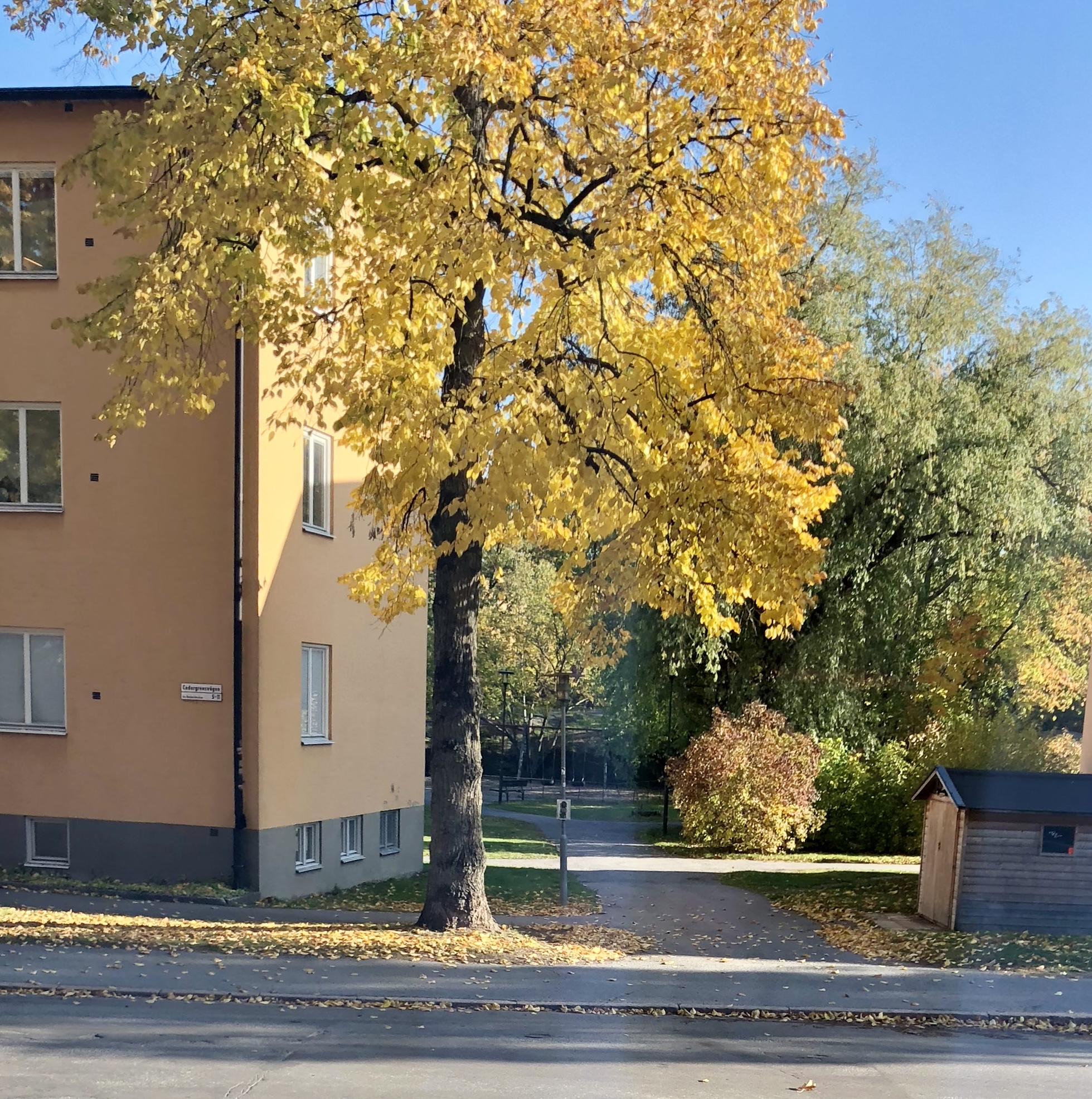
Looking around the garden this morning one might be forgiven for thinking that autumn is already here. Several trees seem to think the short days of autumn have arrived and are preparing to shed their leaves. Certainly the walnut and hazel are of this opinion. However, other signs indicate that this is not the case, my twenty year old cedar has died, as have several Cryptomerias and other conifers - this despite assiduous trips with the water can. In fact, the plants are responding to this summer’s weather, a long period without rain (or very little) plus the very hot weather that we have experienced; particularly in the South and South East. The plants are not reacting to any changes in day length but to drought. Plants detect changes in the photoperiod they experience through their phytochrome system; under normal circumstances their biological clock will tell them when to prepare for winter.
Whilst many well established trees and plants with extensive root systems can withstand a period of drought, younger plants or those in poor or freely draining soil are likely to die. Such plants simply cannot take up enough water to replace that lost through transpiration; that is, water evaporation through the stomates (pores) in the leaves. The intensity of the heat this year coupled with the reduced rainfall has affected many plants and trees and it may be some time before we see the full effect of this summer’s weather. Beech trees suffer more during periods of droughts because they have shallower roots, while oaks reach moisture deeper in the soil and continue to grow. In the drought of 1976, many beech trees died and survivors often exhibited reduced growth some 40 years on*.
Some plants respond to drought stress by bringing forward their reproductive process, so that fruits and seeds are produced early. This is an attempt to ensure the survival of the species for when conditions are more favourable to growth. The Woodland Trust, noted for its phenology records, recorded ripe blackberries in late July (lots of reports on its page on Facebook). Hawthorn, Rowan, Holly and Elder have all been recorded as fruiting earlier this year. This was true of the filbert in my garden this summer. This earlier production of fruits and seeds may have ‘knock on’ effects on the wildlife that feed upon them.
Whilst the effects of the extreme weather are obvious in our parks, gardens etc, the effects on rivers and streams are dramatic. Chalk streams, in particular, have been affected; they are unique habitats. The River Ver is a chalk stream in Hertfordshire. The summer has seen large sections of its upper reaches reduced by several kilometres due to the hot weather (and water abstraction). The effects in and around such streams may be felt for many years as the water levels fall so the habitats for fish, amphibians and invertebrates (such as dragonflies / mayflies) are reduced or lost. Recolonisation of such drought impacted systems can be slow and prolonged.
An accessible and detailed paper on Beech trees and drought is available here : research gate.net
[caption id="attachment_22186" align="alignright" width="300"] Mature Beech on Box Hill, Surrey.[/caption]
[caption id="attachment_10575" align="alignleft" width="300"] Mature beech[/caption]