In praise of insects.
by The blog at woodlands.co.uk, 19 May, 2024, 0 comments
Last week's woodlands’ blog talked about the fall in insect numbers across the UK. This is not just a UK problem, it is far more widespread. Insects, bees and bumblebees as pollinators aside, are important in ecosystems; there are armies of other insects that are providing ‘services’ for us.
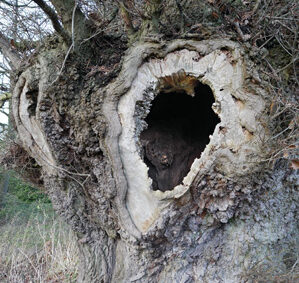
When a tree dies in a woodland, bacteria and fungi are important agents in the decay of the tree and the recycling of elements, but they are assisted by beetles. If the dead tree was a veteran, during its lifetime it will have provided a variety of micro-habitats. Holes and crevices would have been used by bats, birds, insects etc. Now, the the decaying wood will be support different organisms, from microbes to larger fungi, such as bracket fungi that can erupt from surface of the dead tree. As the wood decays,
the material may become a ‘home’ for saproxylic beetles. For example, Stag beetle larvae feed on decaying wood (building up fat reserves, which the adults later rely on.
it adds humus and fertility to the soil as its nutrients are released.
Though bees and bumblebees (members of the order Hymenoptera) are important as pollinators (of many fruit and crop plants, so are the hoverflies key to the pollination of many wild flowers. Hoverflies belong to a different group of insects - the Diptera. There are several thousand hoverfly species spread across the world. They are found on every continent with the exception of Antarctica. Work by Dr. Wotton and his team at Exeter University suggests they are situations where hoverflies may be more effective pollinators than bees and bumblebees, and the role of hoverflies in crop pollination may have been under-estimated.
Hoverflies can carry pollen over considerable distances, and may visit isolated plants. The common drone fly (Eristalis tenax) has been known to travel some 100km and carry the pollen of eight plant species. Hoverflies (or Syrphidae) are also known to migrate over considerable distances. The female marmalade hoverfly can migrate from Scandinavia to Spain and North Africa, migrating in the autumn to lay their eggs. In the following Spring, succeeding generations migrate north again. Some American hoverflies are known to migrate from Canada to the southern states.
Insects are not just important in terms of facilitating decay or aiding pollination, some are involved in seed dispersal. Scientists at Kobe University studied the dispersal of seeds from the fruit of the silver dragon plant. Using time lapse photography techniques, they watched to see which animals feed on the plant’s fruit at night. Whilst crickets (order : Orthoptera) ate much of the fruit, earwigs (order : Dermaptera) and woodlice (not insects, but terrestrial crustaceans) also consumed significant amounts of the tiny seeds of the fruit. Further work demonstrated that many of the seeds survived the passage through the gut of these animals. So apart from being seed predators, small invertebrates may also help their dispersal, depositing them away from the parent plant. Woodlice are interesting land based crustaceans that generally feed on dead and decaying plant material, helping in the recycling of nutrients.
Further examples of the importance of insects in nature can be seen in fig production. The fig wasp 'gives its life' in the process of pollinating the fig, in return the fig provides a safe ‘nursery’ for the young on the wasp, seed the woodland blog on the fig. There are many types of fig and each has its own wasp, to ensure successful pollination. Full details of the life cycle of fig wasps can be followed here. The association between the wasps and figs is an example of mutualism. This co-dependence probably had its origin some seventy million years ago, and the wasps and figs have co-evolved since then.
.